

Childhood Anxiety Signs: What Every Parent Should Understand
Anxiety is a normal human reaction, and children are no different when it comes to feeling worry, fear, or nervousness. However, when these feelings happen often, are very strong, or upset daily life, they might indicate deeper emotional issues. Recognizing childhood anxiety signs early allows parents to respond with understanding instead of panic and to offer support before anxiety starts to affect daily activities.
At Courage Tales, we believe emotional awareness is essential for resilience. By understanding how anxiety manifests in children, families can create a safe environment where children feel secure, heard, and supported as they grow.
At what age Do Kids Start Getting Anxiety?
Children can experience anxiety at surprisingly young ages. While the way anxiety shows up changes over time, even very young children can feel stress and fear.
- Infants may show anxiety through distress when separated from caregivers.
- Toddlers often experience anxiety around unfamiliar people or environments.
- Preschoolers may develop fears related to routines, bedtime, or imaginary threats.
- School-age children often worry about performance, friendships, or rules.
- Adolescents may experience anxiety related to identity, social pressure, or future concerns.
Anxiety itself is not harmful. It becomes a concern when it is persistent, intense, or limits a child’s ability to engage in everyday activities.
What Is the 3 3 3 Rule for Anxiety Kids?
The 3-3-3 rule is a grounding technique that helps children shift focus away from anxious thoughts and return to the present moment.
- Name three things you can see around you.
- Identify three things you can hear.
- Move or touch three parts of your body.
This technique engages the senses to help the nervous system relax. It is simple, effective, and easy for children to recall during stressful moments.
What Are 5 Warning Signs of Anxiety?
Children often find it hard to verbalize anxiety, so emotional distress often shows up through behavior or physical symptoms. Recognizing childhood anxiety signs can help parents intervene early.
- Frequent worry or fear that seems excessive for the situation.
- Avoidance of school, activities, or social interactions.
- Physical complaints such as stomachaches or headaches without a medical cause.
- Difficulty sleeping, nightmares, or fear of bedtime.
- Irritability, emotional outbursts, or constant reassurance-seeking.
These signs are not deliberate misbehavior. They are signals that a child may feel overwhelmed inside and needs understanding and support.

Does Childhood Anxiety Go Away?
Many parents wonder whether childhood anxiety signs are simply a phase. The answer varies depending on the child, the severity of symptoms, and the support they get.
- Mild anxiety may lessen as children gain confidence and coping skills.
- Ongoing anxiety often persists without emotional guidance.
- Early support can reduce long-term impact.
- Children can learn healthy ways to manage anxious thoughts.
- A supportive environment improves emotional resilience.
Anxiety does not determine a child’s future. With proper tools and emotional security, children can learn to manage their fears and develop confidence.
When to Worry About Child Anxiety
It can be hard to tell when normal worry turns into something more serious. Watching patterns and how long it lasts is important.
- Anxiety lasts for weeks or months without improvement.
- Fear interferes with school, sleep, or relationships.
- Physical symptoms appear frequently without a medical explanation.
- A child avoids normal activities due to fear.
- Emotional distress seems intense or overwhelming.
When anxiety severely impacts daily life, it might be time to consult a pediatrician, counselor, or child mental health specialist.

How to Deal With Child Anxiety?
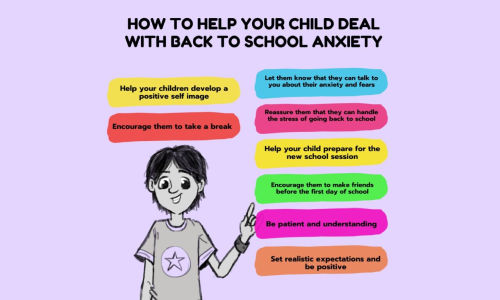
Supporting a child with anxiety doesn’t mean eradicating all fear. It means helping children feel secure enough to confront challenges with support.
- Acknowledge feelings without minimizing or dismissing them.
- Stay calm, as children absorb adult emotional responses.
- Maintain predictable routines to create emotional security.
- Encourage breathing or grounding exercises.
- Use storytelling, play, or creative activities to express emotions.
- Praise effort and courage rather than avoidance.
At Courage Tales, we believe storytelling is a powerful way to help children understand their emotions and feel less alone. Stories provide a gentle way to explore fears, build empathy, and practice courage in a safe environment.
Conclusion
Understanding the childhood anxiety signs helps parents respond with compassion instead of fear. Anxiety is not a sign of weakness or failure. It’s a signal that a child needs reassurance, connection, and guidance.
At Courage Tales, we believe that emotional strength starts with feeling understood. When parents listen, validate feelings, and offer consistent support, children learn that their fears do not define them. With patience and empathy, families can help children turn anxiety into self-awareness, resilience, and courage.