
Bullying Prevention Activities for Elementary Students That Build Empathy
The most effective bullying prevention activities for elementary students do not start after bullying happens. They start long before, through consistent, empathy-driven classroom practices that help students understand how others feel, manage their own emotions, and build the kind of respectful relationships that make bullying less likely to take root in the first place.
Most conversations about bullying in schools focus on what to do after an incident occurs. How to respond. Who to involve. What consequences to apply. And while those responses matter, they are never the whole answer. Because by the time bullying is visible, the emotional gap that allowed it to develop has often been growing quietly for weeks or months.
The teachers and schools that see the most meaningful, lasting reductions in bullying are not just the ones who respond well. They are the ones who build something before the problem begins. They build empathy. They build emotional awareness. They build a classroom culture where unkindness simply does not fit. At Courage Tales, we believe that this kind of culture does not happen by accident, it is built intentionally, one classroom experience at a time.
In this guide we share practical, classroom-ready bullying prevention activities for elementary students that any teacher can start using this week, without specialist training or expensive programmes.
Why Empathy Is the Foundation of Bullying Prevention
Before we get to the activities, it is worth pausing on why empathy sits at the heart of effective bullying prevention.
Bullying does not happen because children are inherently unkind. It happens when children lack the emotional tools to manage their own discomfort, when they cannot imagine how their actions feel to someone else, and when the classroom culture does not actively reinforce respect and compassion as core values.
Research consistently shows that students with strong empathy skills are significantly less likely to engage in bullying behaviour and significantly more likely to intervene when they witness it. Empathy does not just reduce the likelihood of being a bully. It creates the bystanders who become upstanders.
That is why the most powerful bullying prevention ideas are not rules and consequences. They are experiences, repeated, meaningful, emotional experiences that build the capacity to genuinely care about others.
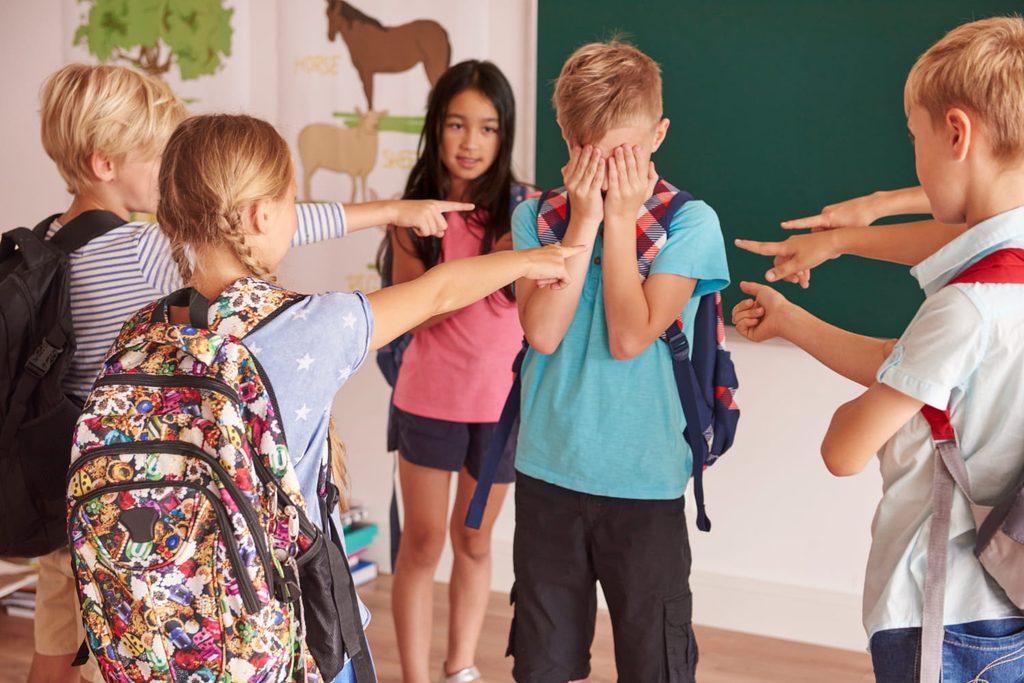
Classroom Activities for Bullying Prevention That Actually Work
The Feelings Check-In
One of the simplest and most consistently powerful classroom activities for bullying prevention is the daily feelings check-in.
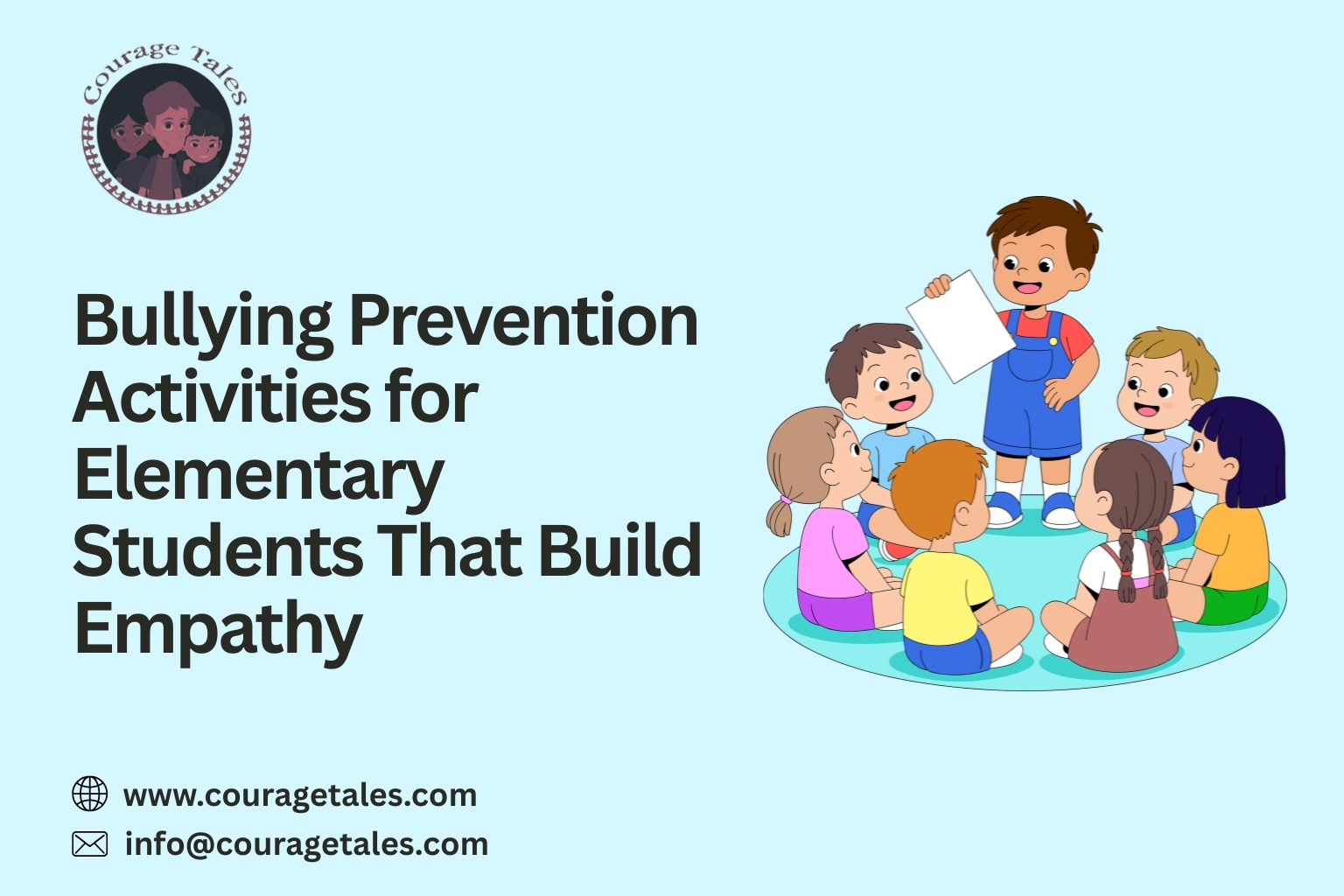
Begin each school day with a brief circle where every student shares one word that describes how they are feeling right now. No explanations required. No judgment. Just honest acknowledgment.
Over time, this practice does something remarkable. It builds emotional vocabulary. It normalises talking about feelings. It creates a classroom where students notice and care about each other’s emotional state, because every morning, they have been asked to.
A student who knows that their classmate came in feeling nervous or sad today is a student who is less likely to be unkind to them. Awareness creates compassion. Compassion prevents bullying.
The Perspective Story Circle
Choose a short story, a picture book or a read-aloud passage, that features a character experiencing exclusion, unkindness, or social pressure. Read it together, then pause and ask the class:
- How do you think this character is feeling right now?
- Has anyone ever felt this way?
- What could the other characters have done differently?
- What would you have done?
These questions do not lecture students about bullying. They invite students to feel their way into someone else’s experience, which is exactly what empathy requires. Story-based discussions are among the most effective bullying prevention activities for elementary students because they make the emotional consequences of unkindness vivid and real without anyone feeling accused or defensive.
The Upstander Role Play
One of the most common and least discussed aspects of bullying is the role of bystanders. Most students who witness bullying are neither the target nor the instigator, they are the audience. And what the audience does, or does not do, shapes what happens next.
Upstander role play gives students a chance to practise exactly what it feels like to intervene, safely, in a classroom setting.
Present a realistic scenario. For example: “A student in your class keeps being left out of group activities. You notice but you are not sure what to do.” Then ask students to role-play three different responses, doing nothing, joining in the unkindness, and stepping in as an upstander.
After each role play, discuss: “How did each response feel? What happened as a result? What made it hard to be the upstander? What made it easier?”
This activity is powerful because it makes the choice to act feel practised and possible rather than abstract and overwhelming.
Collaborative Art and Storytelling Projects
When students work together toward a shared creative goal, something shifts in the social dynamic of the classroom. Hierarchies flatten. Unexpected friendships form. Students discover strengths in peers they had overlooked.
Collaborative art projects, a class mural, a shared illustrated story, a group poem about kindness, are gentle but effective bullying prevention ideas because they build the positive relationships that make unkindness feel genuinely out of place.
Assign mixed groups deliberately. Pair students who do not usually work together. Give every student a meaningful role. Then debrief: “What did you learn about your classmates? What surprised you?”
These shared experiences create what researchers call social cohesion, the sense of belonging and mutual investment that is one of the strongest protective factors against bullying in school environments.
The Kindness Challenge
A structured weekly kindness challenge is one of the most accessible and immediately impactful bullying prevention activities for elementary students because it shifts the classroom focus from what students should not do to what they actively can do.
Each week, introduce a simple kindness challenge:
- This week, notice one person who seems left out and find one way to include them
- This week, say something genuinely kind to someone you do not usually talk to
- This week, stand up for someone if you see them being treated unkindly
At the end of each week, invite students to share what happened, what they noticed, what they did, how it felt. These brief reflections are where the real learning takes root.
Emotion Regulation Practice
A student who cannot manage their own frustration, anger, or hurt is a student who is at risk, either of lashing out at others or of being unable to advocate for themselves when they are on the receiving end of unkindness.
Teaching simple emotion regulation strategies as part of regular classroom routine is one of the most practical classroom activities for bullying prevention available to elementary teachers.
Introduce the 3 3 3 grounding technique, name three things you can see, three things you can hear, three parts of your body you can move, as a tool for moments when emotions feel overwhelming. Practise it together as a class, not just when someone is upset. Make it part of the classroom culture so students have it available when they genuinely need it.
Building a Classroom Culture That Prevents Bullying
Individual activities matter. But the research is clear that the most effective bullying prevention happens at the level of classroom culture the daily, invisible norms about how people treat each other that every student absorbs whether they are consciously taught or not.
Building a positive classroom culture means:
Being consistent. The same standards of respect apply to everyone, including the teacher, every single day.
Naming and celebrating empathy when you see it. “I noticed how you included Maya in your group today. That took real thoughtfulness.”
Making emotional honesty safe. Students will not share how they really feel, and will not develop genuine empathy for how others feel, if they are afraid of being judged or dismissed.
Addressing unkindness early and clearly without shaming. “That comment was unkind. Let us talk about why and what we can do differently.”
These are not grand gestures. They are small, consistent choices that compound over a school year into a classroom culture where bullying genuinely struggles to take hold.
How Courage Tales Supports Bullying Prevention in Schools
At Courage Tales, the belief that drives everything is simple: children who feel genuinely understood are children who grow into people who genuinely understand others.
Through beautifully illustrated books like Beefy Goes from Bully to Buddy and interactive school programmes, Courage Tales gives teachers and schools the story-based resources they need to build empathy, the foundation of every effective bullying prevention approach.
The Compassion Lab and Book Visit programme brings these experiences directly into elementary classrooms through live, interactive storytelling workshops designed for teachers, school counselors, and educational decision-makers looking for structured, evidence-aligned approaches to empathy and bullying prevention.
Frequently Asked Questions
Conclusion
Bullying prevention is not a programme you run once a year. It is a culture you build every single day, through small, consistent, empathy-driven choices that gradually shift how students relate to each other, how they handle conflict, and how they respond when someone around them is being treated unkindly.
The bullying prevention activities in this guide, feelings check-ins, perspective story circles, upstander role plays, collaborative projects, kindness challenges, and emotion regulation practice, are not complicated. They are warm, accessible, and immediately applicable in any elementary classroom.
They work not because they teach students a set of rules but because they build something deeper, the genuine ability to feel what another person feels, and to let that feeling matter.
That is what prevents bullying. Not fear of consequences. Empathy.
If you are looking for structured support in bringing empathy-based bullying prevention into your school, explore the Compassion Lab and Book Visit programme, designed specifically for elementary teachers, counselors, and school decision-makers who want to build kinder, more connected classrooms through the power of storytelling.
At Courage Tales, every resource we create starts with the same belief that children who feel genuinely understood grow into people who genuinely understand others.