
How a Storytelling Online Workshop Builds Empathy in Elementary Schools
Elementary schools are always looking for practical, time-efficient ways to build empathy and emotional intelligence in students without disrupting the academic schedule or requiring specialist in-house expertise. When children engage with carefully crafted stories, guided discussion, and creative reflection in a live workshop setting, they develop the emotional vocabulary, perspective-taking skills, and compassionate instincts that shape how they treat each other every single day. At Courage Tales, a storytelling online workshop is exactly how we make this possible.
Most schools already know that empathy matters. They see its absence in the playground conflicts, the social exclusion, the students who struggle to express frustration without lashing out. What they often lack is not the will to address it, it is a practical, time-efficient, and genuinely engaging way to do so.
Storytelling workshops offer exactly that. And in this guide, we explore how they work, why they are effective for elementary students, and what school decision-makers should look for when choosing an empathy-building programme.
Why Elementary Schools Are Turning to Storytelling for Empathy Education
There is a reason storytelling has been used to teach values, build community, and develop emotional understanding across every culture in human history. Stories work. Not because they are entertaining, although they are, but because they do something no lecture or lesson plan can replicate.
When a child steps into the emotional world of a story character, they practise genuine empathy. They feel what the character feels. They fear what the character fears. They root for someone whose life looks completely different from their own. And in doing so, they quietly build the capacity to extend that same understanding to the real people around them.
For elementary students in particular, children whose emotional regulation skills are still developing and whose social worlds are becoming increasingly complex, this kind of story-based emotional learning is not supplementary. It is foundational.
Empathy building programs for schools that use storytelling as their core methodology are consistently more engaging, more memorable, and more effective than those built around worksheets, poster campaigns, or one-off assemblies. Because the learning happens through feeling, not just through instruction.
What Makes a Storytelling Online Workshop Effective for Elementary Students
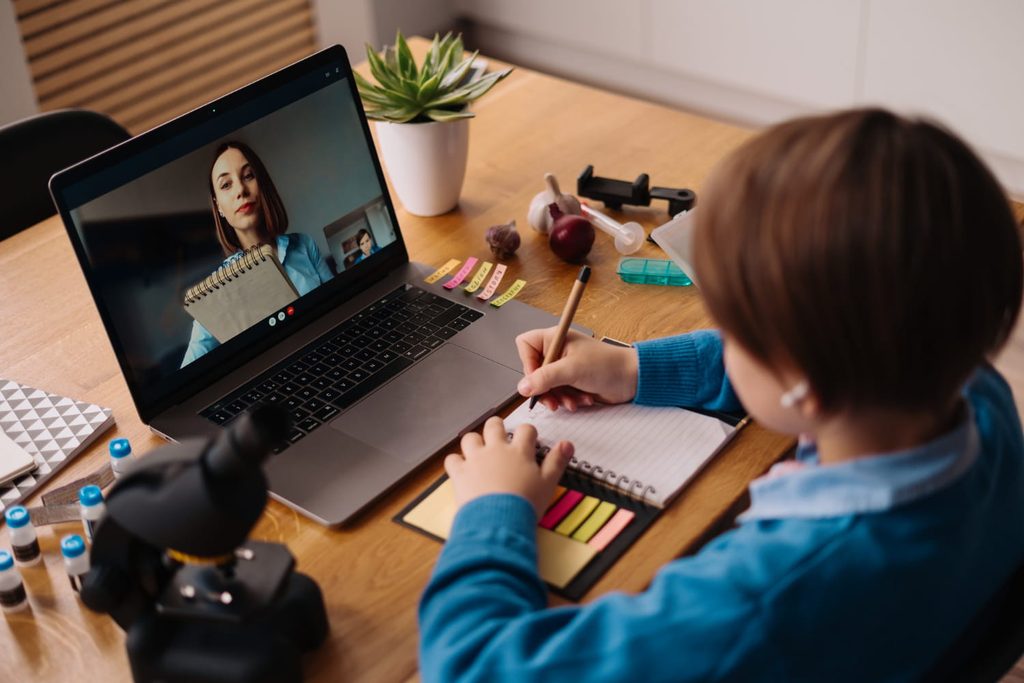
Not all storytelling workshops are created equal. A genuinely effective storytelling online workshop for elementary students does several things that distinguish it from a simple read-aloud or a passive listening activity.
It Uses Emotionally Rich Stories That Reflect Real Experiences
The stories at the heart of an effective workshop are not abstract or disconnected from children’s lives. They feature characters navigating the kinds of social and emotional challenges elementary students actually face, feeling left out, standing up for a friend, managing disappointment, finding the courage to speak up.
When students recognise themselves or their classmates in a story, the emotional engagement is immediate. And emotional engagement is what makes the learning stick.
It Includes Guided Discussion That Goes Beyond the Story
The most important part of any storytelling workshop is not the story itself. It is the conversation that follows.
An experienced workshop facilitator asks questions that invite students to step into the characters’ perspectives, consider alternative responses, and connect the story to their own experiences: “How do you think this character felt? Has anyone ever been in a similar situation? What would you have done differently?”
These guided discussions build the reflective, empathetic thinking skills that classrooms need, and that standardised curricula rarely have time to develop.
It Gives Students Active Roles, Not Passive Ones
The most effective storytelling workshops are not performances. They are participatory experiences where students respond, contribute, create, and reflect.
Whether through collaborative storytelling, role play, drawing emotional responses to characters, or small group discussion, students who are actively involved in the workshop process develop deeper empathy skills than those who simply watch or listen.
It Is Accessible Regardless of School Location or Budget
One of the most significant advantages of a storytelling online workshop is accessibility. Schools in rural or remote communities, schools with limited enrichment budgets, and schools navigating complex scheduling constraints can all access high-quality storytelling and empathy education without the logistical challenges of in-person visits.
This democratisation of access matters, because the schools that often most need strong empathy building programs are precisely the ones that historically have had the least access to them.
How to Build Empathy in Elementary School Through Storytelling: A Practical Framework
For teachers and school decision-makers thinking about how to build empathy in elementary school through a structured programme, the following framework offers a clear starting point.
Start With the Story
Choose or commission stories that reflect genuine emotional complexity, characters who make mistakes, who feel conflicting emotions, who face situations without easy answers. Stories that present empathy as a choice, not an automatic response, are particularly powerful.
Create Space for Emotional Reflection
After the story, give students time and permission to sit with their emotional response before jumping to analysis. “How did that make you feel?” is as important a question as “What happened in the story?”
Guide Perspective-Taking Actively
Do not assume students will naturally put themselves in the character’s shoes. Ask them to do it explicitly: “Imagine you are this character. What are you thinking right now? What do you need?”
Connect the Story to Real Life
The most durable empathy learning happens when students can draw a clear line between the story and their own experience. “Has anything like this ever happened to you or someone you know? What did you do?”
Repeat and Reinforce
A single workshop session is a beginning, not a solution. The schools that see the most meaningful, lasting shifts in classroom empathy culture are the ones that treat storytelling-based empathy education as an ongoing practice rather than a one-off event.
What School Decision-Makers Should Look for in an Empathy Building Program
When evaluating empathy building programs for schools, the following questions help distinguish genuinely effective programmes from well-marketed ones:
Does the programme use story as the primary vehicle for emotional learning, or is storytelling decorative?
The most effective programmes centre story at every stage, not just as an introduction to content delivered through other means.
Is the facilitation live and interactive, or is it pre-recorded and passive?
Live, interactive workshops consistently outperform pre-recorded content for empathy development because they allow real-time responsiveness to students’ emotional reactions and questions.
Does the programme address the specific social and emotional challenges elementary students actually face?
Generic empathy content produces generic outcomes. Programmes that reflect the real social landscape of elementary school, exclusion, conflict, identity, belonging, produce specific, meaningful change.
Is there a clear connection between the programme and measurable outcomes in classroom culture?
The best empathy building programs for schools can point to observable changes, in how students talk to each other, in the frequency and nature of conflicts, in the willingness of bystanders to become upstanders.
How Courage Tales Brings Storytelling Workshops to Elementary Schools
At Courage Tales, author Dagmara Sitek has spent years developing story-based resources that help elementary students build genuine empathy, emotional intelligence, and the social skills that make school environments kinder and safer for everyone.
The Courage Tales approach to storytelling workshops is built on a simple but powerful belief: children who feel genuinely understood are children who grow into people who genuinely understand others.
Through the Compassion Lab and Book Visit programme, Courage Tales brings live, interactive storytelling workshops directly into elementary classrooms, online and in person. Each session uses emotionally rich stories to spark the kind of guided discussion, creative reflection, and perspective-taking practice that builds lasting empathy skills.
The programme is designed for teachers, school counselors, and school decision-makers who want a structured, evidence-aligned approach to empathy education, one that fits into the school day without disrupting it and that gives students an experience they genuinely remember.
Whether your school is looking for a one-time enrichment experience or an ongoing empathy building programme, the Compassion Lab and Book Visit programme offers a flexible, accessible, and deeply human approach to how to build empathy in elementary school through the power of story.
Frequently Asked Questions
Conclusion
The question of how to build empathy in elementary school does not have a complicated answer. It has a human one.
Children learn empathy the same way they learn everything else that truly matters, through experience, through story, through repeated meaningful encounters with feelings that are not their own. Storytelling workshops provide exactly this kind of experience in a structured, accessible, and genuinely engaging format.
For teachers who want kinder classrooms, for counselors supporting students through social and emotional challenges, and for school decision-makers investing in the long-term wellbeing of their student community, a well-designed storytelling online workshop is one of the most practical and impactful tools available.
At Courage Tales, Dagmara Sitek’s work is built on the conviction that every child deserves access to stories that help them feel understood and grow to understand others. The Compassion Lab and Book Visit programme brings that conviction into elementary classrooms, one story, one conversation, and one moment of genuine connection at a time.
To learn more about bringing storytelling-based empathy workshops to your school, visit the Book Visit page at Courage Tales.